Know who to check first.
One box in your building learns each resident's usual routine. When today is different, your staff see which room to go to and why. Video never leaves the building.
Backed by
How it works
1. In the room
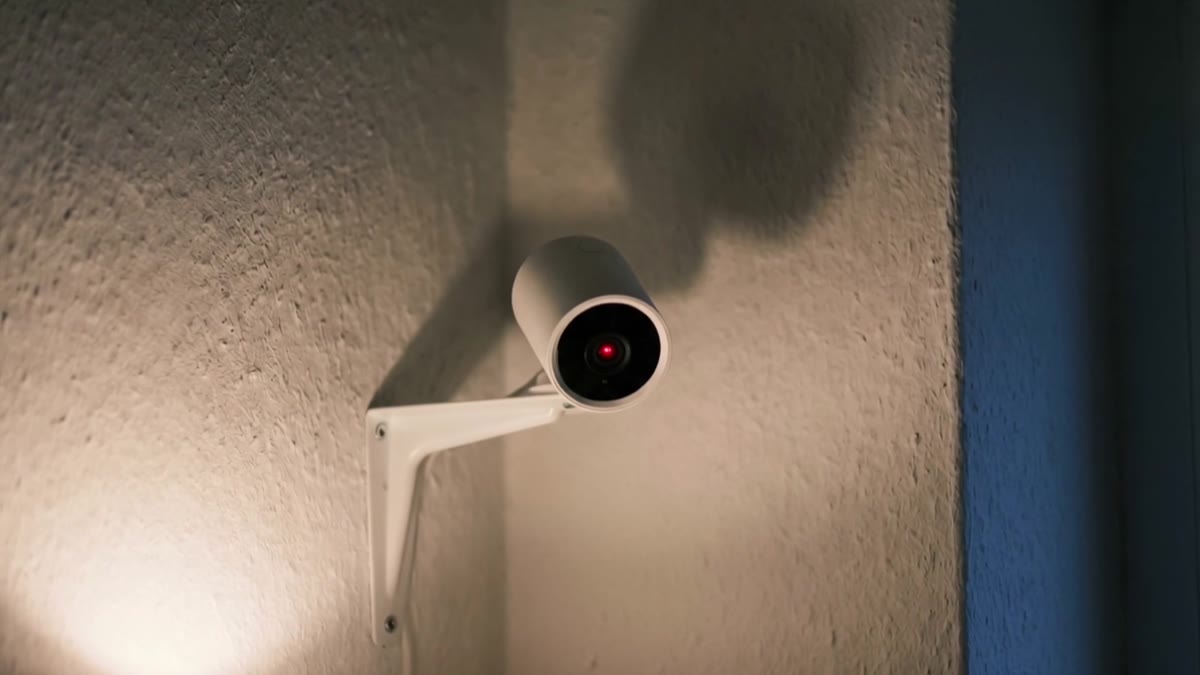
One small camera facing the bed and the floor, a contact on the room door and the bathroom door, and a button staff press during personal care.
Private rooms only, with a signed form and a notice on the door.
2. In the building
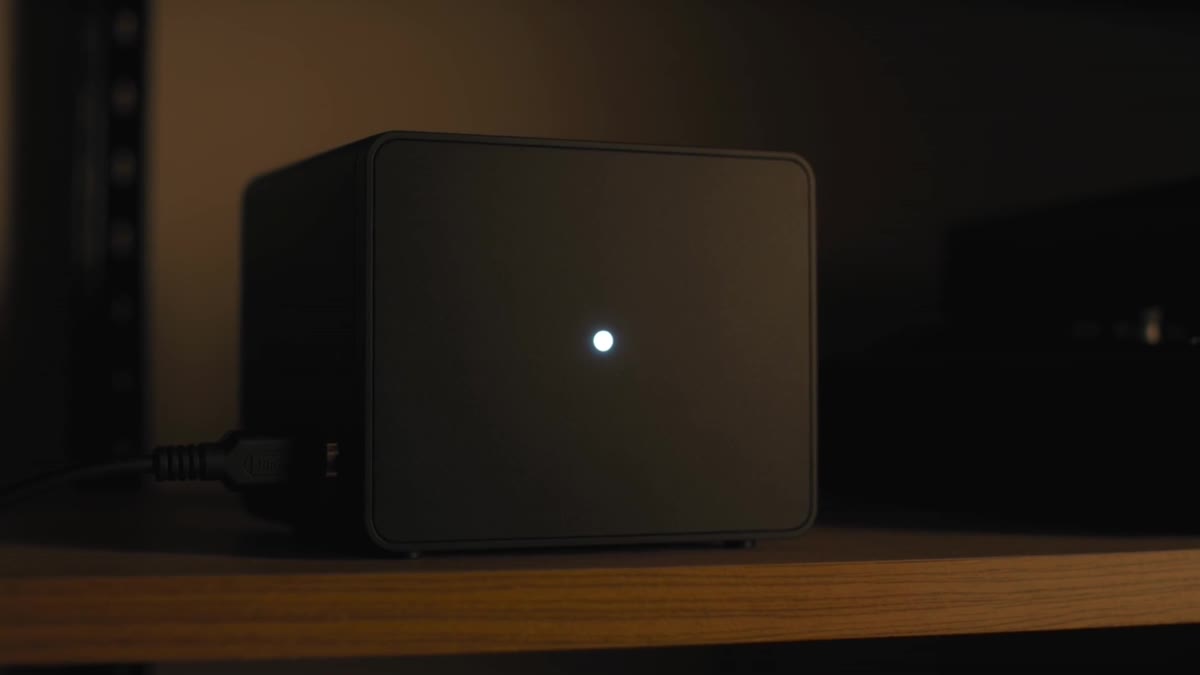
One box reads the cameras and sensors on site and writes a plain text log: in bed, up, out of the room, staff in. After a week it knows when each resident usually gets up, eats and sleeps.
The video stays on the box.
3. On the list
When today is different for someone, that room goes to the top of your staff's list with the reason and the log behind it. That list is below.
What staff see
Who to check first, the reason, and the log behind it. It opens on Room 12, where the model reads a recorded clip frame by frame.
Nothing on it is live video. Every name and number is made up, except the Room 12 clip, which is a real recording.
What it alerts on
Six things, each measured against that resident's own routine. Nothing clinical: it alerts staff and logs what happened.
- 07:05Not up by their usual time
- 02:10Up and unattended at night
- any hourOn the floor and not getting up
- 14:40No movement for unusually long
- 12:20A usual meal or routine missed
- 10:00A check overdue
Thirty days, four to ten rooms, free.
- Video never leaves the building.
- Nobody watches a feed.
- A clip is kept only when an alert fires and is deleted after 7 days.
- No AI company ever sees footage.